
Water is the lifeblood of any farming operation across Australia and New Zealand. Whether you rely on dams, bores, rivers, or rainwater tanks, poor water quality directly impacts crop yields, stock productivity, and equipment longevity.
At Think Water Hawkes Bay, one of the most common questions our team gets asked by local growers and producers is: “How do I stop dirty water from blocking my irrigation and damaging my pumps?”
Quick Summary
Effective farm water filtration removes sediment, algae, and minerals from raw dams, bores, and rivers. Installing the correct screen, disc, or media filter prevents blocked irrigation emitters, protects pumps from abrasive wear, and improves livestock drinking water quality.
Common Farm Water Quality Issues
Raw agricultural water frequently contains local contaminants that cause costly operational issues:
- Sediment, Sand, and Silt: Prevalent in river supplies and surface dams; wears down pump impellers and clogs pipework.
- Algae and Organic Matter: Common in open farm dams during hot Hawkes Bay summers; clogs suction lines and fine drippers.
- Iron and Minerals: Highly common in deep bore water across Hawkes Bay; causes heavy scale buildup, pipe staining, and blocked valves.
- Bacterial Contaminants: Surface run-off into stock dams can affect herd health and reduce daily water intake.
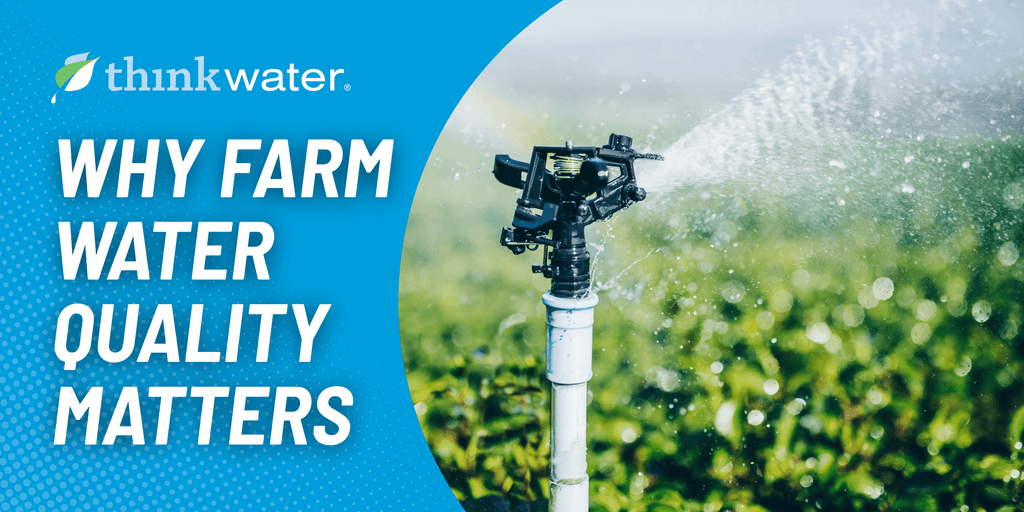
Why Farm Water Quality Matters
Irrigation Performance
Blocked sprinklers and drippers lead to uneven crop coverage and wasted hours spent on manual flushing.
Livestock Health
If you’re wondering how to improve livestock drinking water quality, start at the supply. Clean, odor-free water increases daily water intake, supporting stock weight gain and health.
Equipment Protection
Abrasive sand and grit act like sandpaper inside pumps and valves, leading to premature equipment failure and high maintenance costs.
Choosing the Best Water Filtration for Farms
Different water sources require different filtration methods:
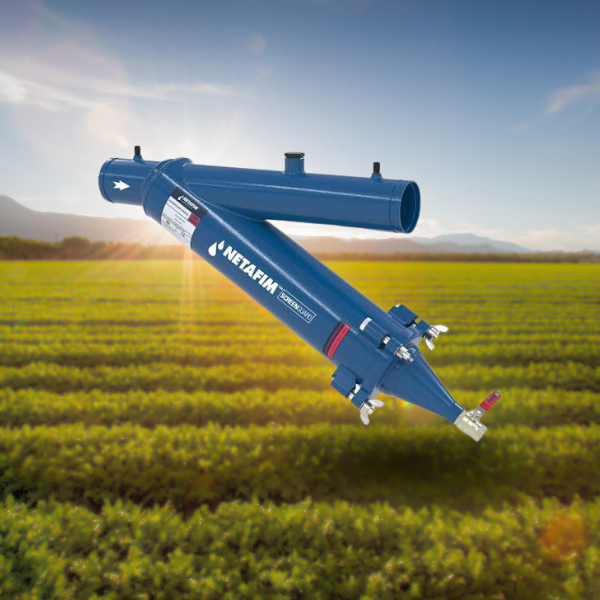
Screen Filters: Ideal for removing coarse sand, grit, and pipe rust.
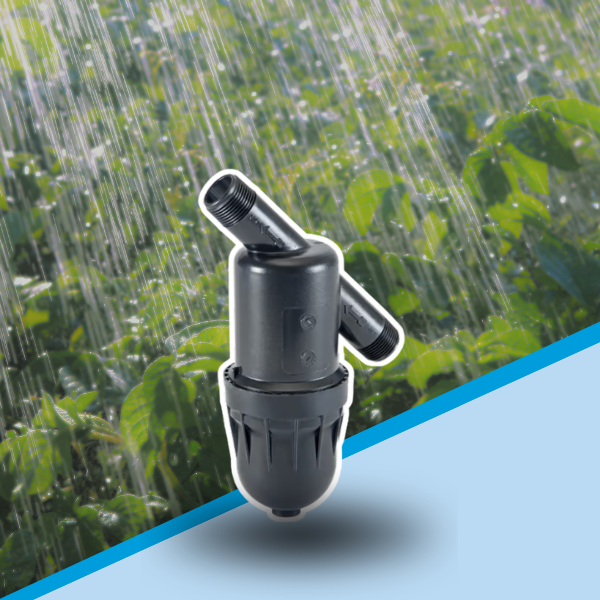
Disc Filters: Great for a mix of organic algae and fine sediment. Excellent choice when looking into how to filter dam water for irrigation.
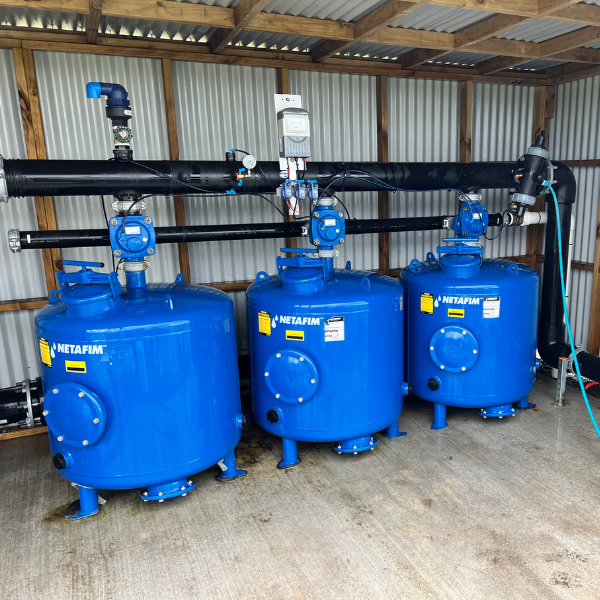
Media (Sand) Filters: Best for heavy algae loads and large-scale surface water filtration in irrigation channels and dams.
The Importance of Water Testing
There is no one-size-fits-all solution for agricultural water. Testing your water for sediment loads, mineral content (such as iron or hardness), and pH ensures you select the exact filter type and micron rating for your property.
Need Help Improving Your Farm Water Quality?
Selecting the best water filtration for farms depends on your flow rate, operating pressure, and raw water source.
If you want to protect your irrigation equipment, reduce downtime, or improve stock drinking water, contact the team at Think Water Hawkes Bay or visit your local Think Water store for expert advice and customised filtration solutions.