When it comes to protecting your drinking water in Bay of Plenty, filtration doesn’t always mean removing sediment or chlorine. Sometimes, the concern is something you can’t see at all — bacteria and microorganisms.
That’s where UV filtration comes in.
What Is UV Filtration?
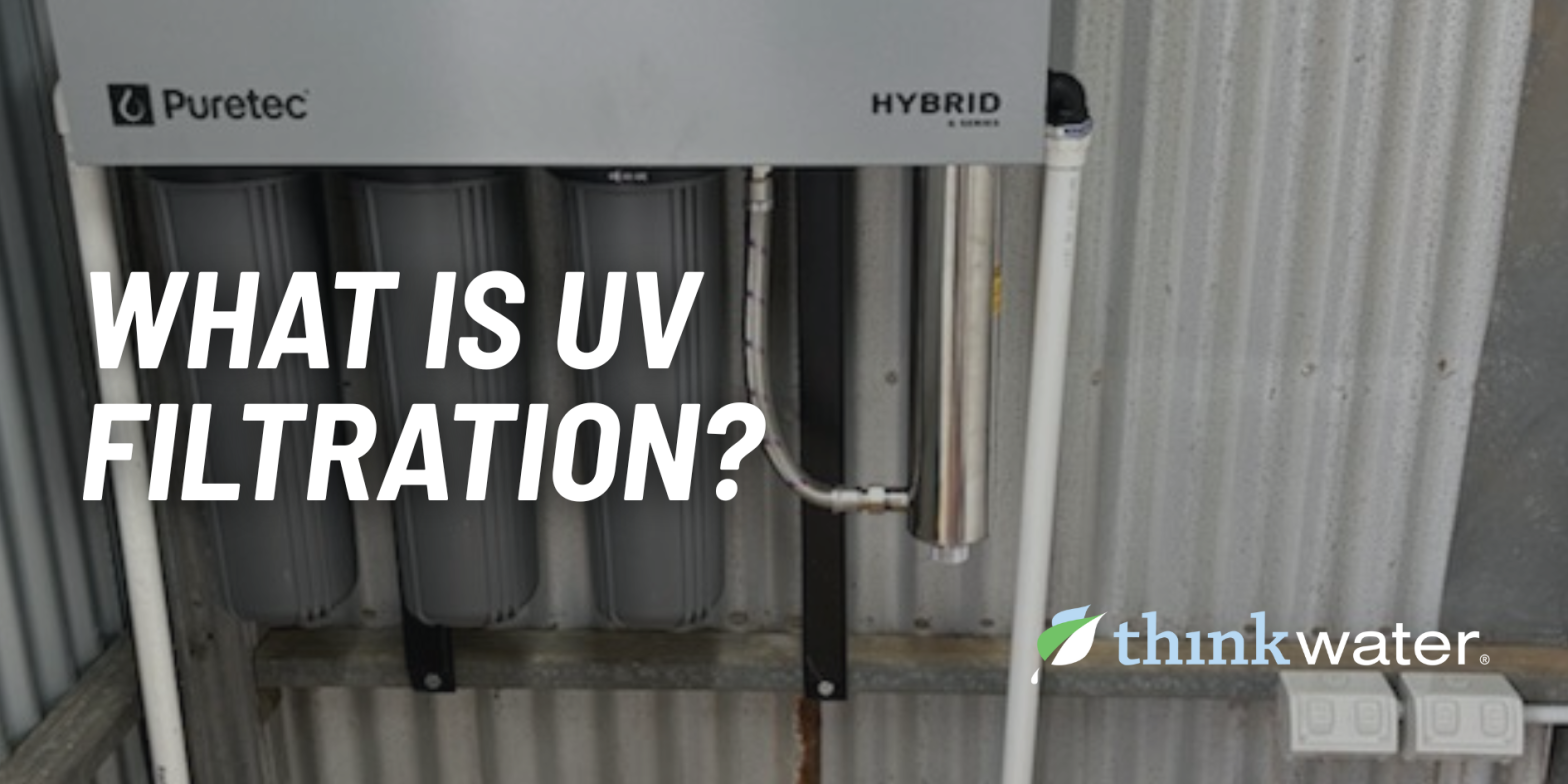
UV (ultraviolet) filtration is a water treatment method that uses ultraviolet light to disinfect water. It targets harmful microorganisms such as bacteria, viruses, and parasites, preventing them from reproducing and causing illness.
Unlike chemical treatments, UV systems do not add anything to your water. Instead, they use light energy to neutralise biological contaminants as water passes through the system.
How Does UV Water Treatment Work?
Inside a UV system, water flows past a specialised UV lamp. The ultraviolet light penetrates microorganisms and disrupts their DNA, effectively rendering them inactive.
The process happens instantly and continuously while water is flowing. There’s no change in taste, odour, or colour — just added protection.
When Is UV Filtration Needed?
UV filtration is particularly useful for:
- Homes using rainwater tanks
- Rural or agricultural properties
- Bore or well water supplies
- Properties concerned about bacteria in untreated water
In Bay of Plenty and the surrounding regions, many households rely on rainwater harvesting systems. While rainwater can be a great resource, it may carry bacteria from roofs, gutters, or storage tanks. A UV system provides an extra layer of protection before water enters your home.
Maintenance Matters
UV lamps require periodic replacement (typically once per year) to maintain effectiveness. Regular servicing ensures the system continues operating at full strength.
Is UV Filtration Right for You?
If you rely on tank water, bore water, or simply want added peace of mind about bacteria in your water supply, UV filtration may be worth considering.
The team at Think Water Bay of Plenty can assess your water source, test your supply, and recommend a tailored filtration solution that suits your home or property.
Clean water isn’t just about what you can see — it’s about protecting what you can’t.